Bedding · Pillow Guide
How to Choose Organic Pillows for Sleeping in an Elevated Position
A raised head of bed can change the familiar geometry of sleep. The pillow that once felt perfectly balanced may suddenly seem too high, too flat, or oddly insistent beneath the neck. Choosing well is less about finding a universally “correct” pillow than about tuning loft, fill, and fabric to the way your body meets the mattress.
Published November 22, 2026
Elevation has a quiet way of rearranging a bedroom’s most personal equation. When the upper end of a bed is raised, the shoulders, head, and neck rest at a different angle than they do on a flat surface. A pillow that worked beautifully on an uninclined mattress may now push the chin forward, leave a gap beneath the neck, or compress until support seems to disappear. The change can be subtle, but over a full night, small mismatches become difficult to ignore.
For anyone choosing organic pillows for an elevated sleeping position, the most useful starting point is not a label or a trend. It is the relationship among sleeping posture, the angle of elevation, and the pillow’s loft under the weight of the head. Natural fills such as kapok and buckwheat offer different kinds of adjustability and feel. Cover fabric, breathability, care instructions, and construction complete the picture.
There is no single pillow shape or natural material that suits every sleeper. The aim is a comfortable, relatively neutral resting position that feels sustainable through the night—not an exact posture imposed by a product description. Consider this a thoughtful fitting process: make one change at a time, notice how the pillow behaves once you lie down, and give your body a little space to respond.
First, understand what elevation changes
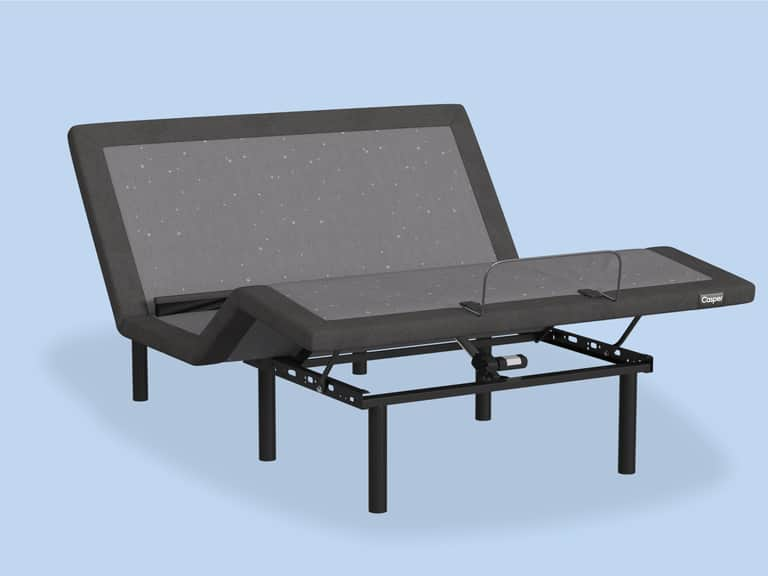
When the head of a bed is raised, the body settles along a slope rather than a level plane. Depending on the degree of incline and the way the mattress flexes, the shoulders may shift slightly, the head may travel toward the foot of the bed, and the usual contact points can change. A pillow’s job is still to support the head and help bridge the space between the head, neck, and mattress—but the size and shape of that space may no longer be what they were.
That is why a pillow’s stated height, measured on a shelf or in a product listing, tells only part of the story. Fill compresses differently under pressure. A lofty, airy pillow can sink substantially; a compact fill may retain its shape and feel firm. The mattress also matters: a plush surface allows the shoulders to settle farther in, while a firmer one may leave more space between the neck and bed. Add elevation, and the same pillow can feel entirely different.
If the head is propped up by several pillows, the upper pillow may tilt or slide, and the stack can create an uneven surface. A single well-adjusted pillow—or a carefully arranged combination with a stable base—often makes it easier to assess support. If the bed has an adjustable base, test the pillow in the position you actually use, rather than judging it while lying flat.
Elevation is sometimes used as part of a personal comfort routine, but a pillow is not a treatment. If you are raising the bed because of persistent symptoms or a medical recommendation, ask a qualified health professional about the position and setup that are appropriate for you. Comfort and safety are individual, and bedding advice should not substitute for clinical guidance.
Let sleeping position guide the loft
Loft is the height of a pillow when it is in use. The useful question is not simply whether a pillow is “high” or “low,” but whether it fills the space your sleeping posture creates without forcing your head into an uncomfortable angle. An elevated bed can make an existing mismatch more noticeable, so reassessing loft is often worthwhile after changing the bed’s position.
Side sleeping
Side sleepers generally need enough support to fill the space between the ear and shoulder while allowing the head to rest in line with the torso. Shoulder width and mattress softness influence that space. On an incline, pay attention to whether the head seems to tip toward the mattress or away from it. If the pillow collapses beneath the head, a little more resilient fill may help; if it feels like it is pushing the head upward, reducing loft could be more comfortable.
Back sleeping
Back sleepers often prefer a pillow that supports the natural curve of the neck without lifting the head excessively. Elevation may already change the angle of the upper body, so a tall, firm pillow can feel more pronounced than it did on a flat bed. Look for an arrangement that feels supportive yet unforced, with no need to brace the chin or tense the shoulders to settle in.
Stomach sleeping
Stomach sleeping commonly calls for a lower profile because the head is turned to one side. A thick pillow may increase the twist at the neck. A raised bed can make this configuration less straightforward, so experiment cautiously and prioritize a position that feels easy rather than rigid. Some people find a very low pillow or no pillow beneath the head more comfortable, but preferences vary.
Combination sleeping
People who change positions through the night need a pillow that remains comfortable after movement. A fill that can be reshaped or adjusted may be useful, but it should not require elaborate reworking each time you turn. Consider whether the pillow holds a workable shape, stays in place on the mattress, and lets you settle again without interrupting the night.
Natural fills, distinct personalities
“Natural” is a broad description, not a guarantee of a particular sensation, performance, or environmental impact. Read the material details, check what is certified and by whom, and consider how the fill is processed and enclosed. Two pillows made from plant-based materials can behave very differently. The best comparison is the one that connects material characteristics to your own preferences.
Kapok: airy, soft, and easy to shape
Kapok is a lightweight plant fiber harvested from the seed pods of the kapok tree. In pillows, it is often appreciated for its soft, buoyant feel and airy loft. The result can resemble a fluffy, down-like pillow while offering a plant-based alternative. Kapok may appeal to sleepers who like a pillow they can gently fluff and mold around the head and neck.
Its lightness can be a delight, though it is not automatically ideal for everyone. Some sleepers may want a denser, more anchored sensation than a soft, lofty fill provides. If the pillow has a zipper and removable fill, it can be adjusted gradually: take out a small amount, test the pillow in the elevated position, and repeat only if needed. Keep removed fill in a clean, dry place in case you want to restore some loft later.
Buckwheat: structured and distinctly supportive
Buckwheat pillows are filled with hulls rather than soft fiber. The small, firm hulls shift around one another, creating a moldable surface that can be arranged to support the head or neck. Compared with kapok, buckwheat usually feels more substantial and less cloud-like. It is often chosen by people who appreciate a pillow that holds a defined shape rather than one that fluffs into a soft mound.
The same structure can feel unfamiliar if you prefer a plush, yielding surface. Hulls may make a gentle rustling sound as they move, and the pillow can feel heavier than fiber-filled alternatives. Many designs include a zipper so the amount of fill can be adjusted. Removing a little can help lower the profile or make the pillow easier to shape; adding too much may create a firm, crowded feel.
Other materials to compare
Organic cotton, wool, and natural latex may also appear in pillow designs, alone or combined with other materials. Cotton is commonly used for covers and may also be used as fill, though its feel and resilience depend on construction. Wool can offer a springy, temperature-managing sensation for some sleepers. Latex tends to feel responsive and resilient rather than loose and fluffy. Product details matter: a pillow described as organic may have a certified cover but a different fill, or vice versa.
Look for clear statements about which component is certified, the standard used, and whether the certification applies to the complete product or only to a material. Organic claims should be specific and verifiable. A natural source by itself does not explain processing, durability, or the finished product’s full composition.
Why adjustable pillow loft can be a practical advantage
When a bed’s angle changes, adjustability gives you room to respond without replacing the pillow immediately. A zippered inner chamber or removable-fill design lets you tune the amount of material to suit the way you lie on the bed. It can also make a pillow more adaptable to changes in mattress feel, sleep position, or personal preference over time.
Adjustability works best as a measured process. Begin with the manufacturer’s recommended fill level, then test the pillow in your usual elevated position. Lie down as you would at bedtime, not upright with your shoulders held forward. Allow the fill to settle, and notice whether the head feels cradled or pushed, whether the neck feels comfortably supported, and whether you can relax your shoulders.
- Change one thing at a time. If you alter the bed angle and remove fill on the same evening, it becomes harder to tell which change affected comfort.
- Remove small amounts. A modest adjustment is easier to reverse than a dramatic one, especially with kapok or buckwheat.
- Test your usual position. A pillow that feels comfortable while sitting up may behave differently when your shoulders rest on the mattress.
- Check more than the first minute. Give the fill time to settle, and consider whether the pillow still feels comfortable after you turn.
- Keep extra fill clean and dry. Store it according to the maker’s care guidance so it remains usable.
Some adjustable pillows are designed to be reshaped by hand rather than opened. In that case, make a shallow cradle for the head and arrange the edges to support the neck if that feels comfortable. Avoid assuming that a deeper cradle is always better. The point is a relaxed fit, not a sculpted posture that feels restrictive.
The cover is part of the experience
A pillow’s cover is in close contact with the face and can influence the way the whole pillow feels. Organic cotton is a familiar choice: it is generally breathable, softens with use, and is available in a range of weaves. A cotton flannel cover may feel brushed and cozy; a canvas weave may feel firmer and more substantial. Neither is automatically superior. Choose according to texture, temperature preference, and care needs.
Pay attention to what is removable. A washable outer pillowcase is different from a washable pillow shell, and a removable cover does not mean that the fill itself can be laundered. Check the care label before washing. Some natural fills are best kept dry, while a cover may be suitable for gentle laundering. Cleaning a pillow in a way the maker does not recommend can damage its structure or leave fill unevenly distributed.
For everyday freshness, a separate pillowcase or protector can provide a practical first line of defense. Wash it on a regular schedule, allow it to dry completely, and avoid trapping moisture inside the pillow. If you are sensitive to dust or particular materials, review the full construction and cleaning instructions, and consult an appropriate professional for persistent allergy concerns.
Breathability, temperature, and texture
Natural materials are often associated with breathability, but how cool or warm a pillow feels depends on more than the name of the fill. The amount of material, the weave of the cover, the pillow’s construction, room temperature, bedding layers, and individual comfort all contribute. A dense pillowcase can change the feel of an airy fill; a generously filled pillow may hold more warmth than a thinner one.
Kapok’s light, open feel may suit sleepers who prefer a less compact pillow. Buckwheat’s air spaces between hulls can feel different from a solid block of material, but the overall sensation is firmer and more structured. If temperature is a concern, consider the cover and bedding as a system, rather than expecting one pillow material to regulate the entire sleep environment.
Texture deserves equal consideration. A soft pillow can feel inviting at first touch, while a structured one may provide a sense of placement and stability. If possible, try the pillow in a return period or at a retailer, and confirm the policy before purchasing. Product descriptions can explain materials, but they cannot reproduce the sensation of settling into the pillow at home.
A calm fitting ritual for an elevated bed
Finding the right pillow is easier when the bedroom is treated as a small, personal testing ground. Set the bed to the angle you normally use. Keep the mattress, sheets, and other pillows consistent so that the comparison is fair. If you have just introduced elevation, give yourself time to become familiar with the new position before making several bedding changes at once.
- Notice your starting point. Record your bed angle, sleep position, and what feels comfortable or uncomfortable about the current pillow.
- Assess the pillow in use. Pay attention to whether it compresses, shifts, or holds its shape once your head is resting on it.
- Make a modest adjustment. Remove or redistribute a small quantity of fill, or reshape the pillow by hand.
- Repeat under familiar conditions. Use the same incline and bedding, then compare how the altered pillow feels.
- Allow for variation. Comfort can vary by position and night. Look for a consistently easy fit rather than one perfect sensation in a brief trial.
It may help to note whether you wake with the pillow still beneath your head or find it has shifted away. A pillow that slides on a smooth cover may benefit from a different pillowcase or placement. If you use multiple pillows, check whether the stack separates or creates a ridge when you move. These practical details can matter as much as the fill itself.
Questions worth asking before you buy
- Can the loft be adjusted? Check whether fill is removable and whether the zipper is designed for repeated adjustment.
- What exactly is organic? Look for precise information about the fill, cover, and any certification, rather than relying on a broad claim.
- How does the fill behave? A soft fiber, loose hulls, and a resilient foam-like material create very different sensations.
- What are the care instructions? Confirm whether the cover, shell, and fill have separate cleaning requirements.
- Does the size suit your bed and habits? Standard, queen, king, and body-pillow formats differ in length and intended use.
- Can you return or exchange it? A clear trial policy may be valuable when comfort depends on your own mattress and bed angle.
- Is the construction transparent? A detailed materials list is more useful than vague language about purity or wellness.
Common missteps to avoid
One frequent misstep is choosing a pillow by loft alone. A high pillow may compress significantly, while a thinner one may feel firm and substantial. Compare the pillow under the weight of your head, and remember that measurements are not a substitute for testing its actual behavior.
Another is assuming that “organic” automatically means allergy-proof, chemical-free in every respect, or better for every sleeper. Materials and certifications should be described carefully, and sensitivities are personal. Ask for clear construction details rather than making assumptions from a single word on a label.
It can also be tempting to add pillows until the elevated position feels supported. A stack may create an unstable surface or push the head forward. If you need several pillows to feel comfortable, reconsider the arrangement, the bed angle, and the support beneath the head and shoulders. Where elevation is related to a health concern, discuss the overall setup with a qualified clinician.
Finally, do not change every variable at once. A different pillow, new mattress topper, altered incline, and fresh bedding can make it impossible to identify what helped. The most elegant solution is often the simplest: a stable angle, a thoughtfully adjusted pillow, and materials that feel good against the skin.
A personal balance, not a universal formula
Choosing organic pillows for an elevated sleeping position is ultimately an exercise in proportion. The right support depends on how you sleep, how far the bed is raised, how the mattress responds, and whether you prefer a pillow that feels soft and yielding or firm and shaped. Adjustable loft can make experimentation more graceful, while kapok and buckwheat offer contrasting natural textures to consider.
Begin with the pillow’s behavior rather than its promises. Notice how it settles, whether its height remains comfortable as you move, and how the cover feels over time. Read the care instructions and material claims with the same attention you give to the design. Then make small, reversible changes until the arrangement feels natural.
A well-chosen pillow does not announce itself. It allows the head and neck to rest without constant repositioning, and it works quietly with the bed rather than competing with it. In an elevated sleep setting, that sense of ease is the clearest guide: not a perfect number of inches, but a considered fit that feels comfortable for you.