Exploring real-world applications of modular, eco-conscious foundations. This Vogue-inspired deep dive blends design discourse with practical insights, tracing how organic materials and tunable supports reshape architecture, interior ecology, and long-term durability.
In a world where sustainability meets sophistication, the concept of an adjustable foundation transcends mere practicality. It becomes a philosophy of adaptable living: a base that can be tuned, reconfigured, and reimagined to respond to climate, usage, and evolving aesthetics. The domain organicadjustablebase.com sits at a crossroads of eco-conscious materials, modular design, and ergonomic sensibilities. This article unfolds a narrative of three time-spanning voices—thinkers and designers who, across eras, have imagined foundations that breathe with our needs while honoring the planet.
Case studies illuminate how adjustable foundational systems operate in practice. They reveal the choreography between modular components, organic materials, and the constraints of safety and cost. The following studies exemplify how flexible bases can support energy efficiency, flexible occupancy, and gracefully aging structures.
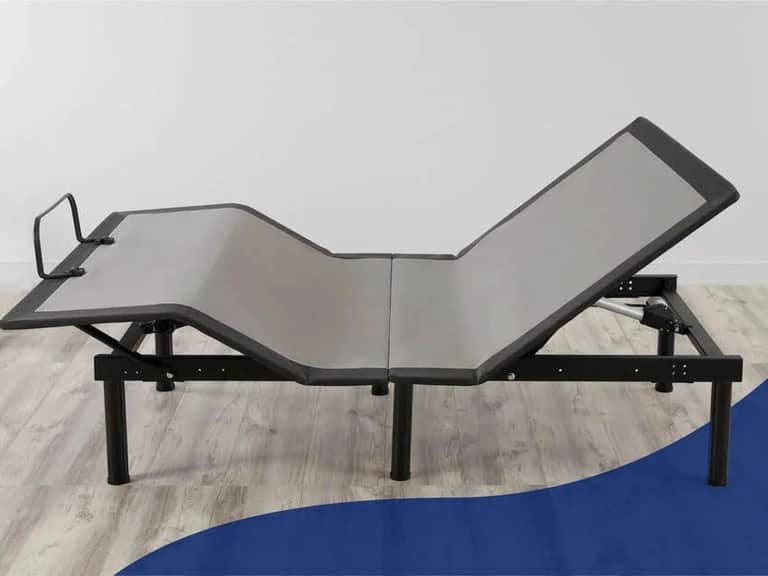
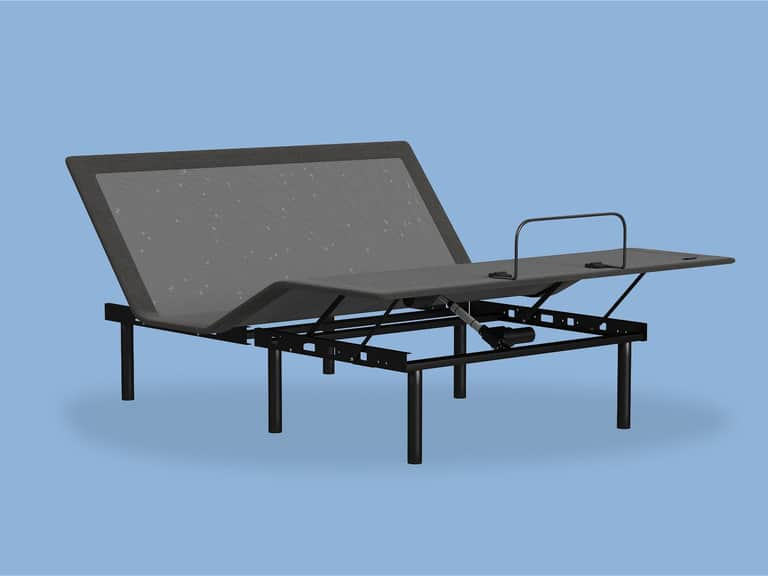
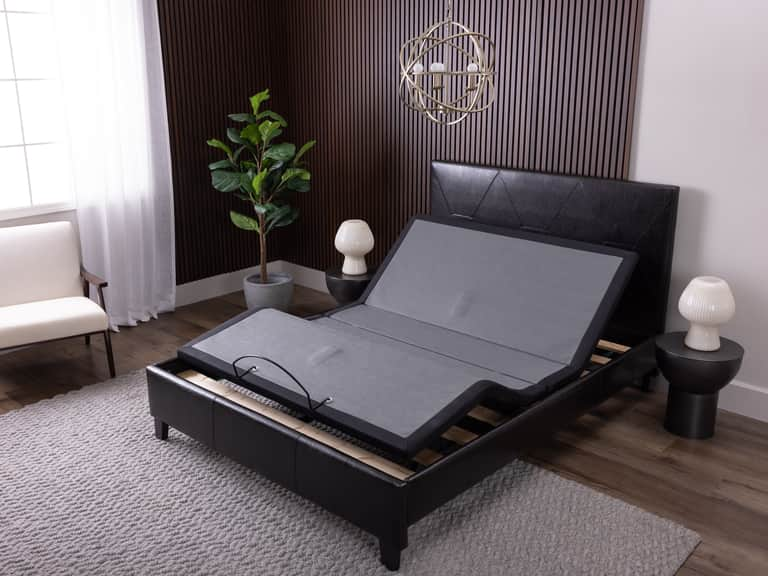
The S-Cape HF 2.0 embodies the synthesis of luxury and adaptability. Its WallHugger design keeps your bedside essentials within reach, while head and foot articulation allow for a personalized equilibrium between rest, reading, and rejuvenation. The dual massage wave features invite a salon-like indulgence, calibrated to your tempo and mood. In sustainable terms, its modular components and durable framework support long-term use, reducing replacement cycles and material waste. Note: the product is featured here as an illustrative example of high-end adjustable foundations within eco-aware design conversations.
Key specs at a glance: 850-lb weight capacity, Bluetooth remote, USB ports, under-bed lighting, adjustable legs, programmable positions, and a zero-clearance profile for platform beds.
Adaptable foundations harmonize modularity with durability. They embrace lifetime flexibility—systems designed to evolve with occupants, loads, and environmental changes. The core design language translates into three guiding principles:
In practice, these principles influence decisions about material selection, joining methods, and how designers approach safety standards. The goal is to create systems that age gracefully, with the ability to retrofit rather than replace, aligning with circular design philosophies.
These figures, spanning antiquity to modern thought, illuminate a lineage of foundational thinking—from Vauban’s fortifications to Saarinen’s biomorphic forms, to Jacobs’s urban ecosystems. In the realm of organicadjustablebase.com, their legacies converge: foundations that are sturdy, flexible, and living in dialogue with human needs and environmental responsibility.
Adopting adjustable foundations in eco-friendly projects requires a disciplined workflow that respects safety codes, material certifications, and budget realities. The following considerations help practitioners evaluate when and how to apply adjustable foundational systems:
In the context of organic materials and modular design, it is essential to balance performance with ecological integrity. A rigorous materials assessment—considering embodied energy, end-of-life options, and transport distances—helps ensure that the foundation serves both the structure and the planet.
What makes an adjustable foundation truly sustainable is not only the materials but the life-cycle narrative it supports. Sustainability outcomes can be measured across several axes:
Case studies demonstrate tangible results: lower embodied energy when using wood-based composites; improved indoor air quality through natural fibers; and reduced operational costs via smarter climate-responsive foundations.
Beyond case studies, this article positions organicadjustablebase.com as a living resource hub. The platform will curate a materials database, practical how-tos, and design patterns for sustainable, adjustable foundations. Expect in-depth guides such as:
In the Vogue spirit of shaping culture through aesthetic and intellect, adjustable foundations become a conversation about how we live with space, materiality, and nature. They invite designers to craft environments that adapt to our needs while honoring the earth that sustains us. The three voices across time—Vitruvius’s rational symmetry, Saarinen’s sculptural pragmatism, and Jacobs’s urban ecological sensibility—speak to an enduring truth: a foundation is more than a platform. It is the first gesture toward a life lived with intention, grace, and responsibility.
Elevate your sleeping and lounging rituals with a base that blends precision engineering with an eye for elegant living. Its programmable positions and quiet performance set a benchmark for how adjustable foundations should feel: effortless, luxurious, and quietly efficient.
When exploring brand associations and potential conflicts, conduct live domain and brand validity checks to ensure a clean domain identity. The editorial voice here leans into informed discourse, presenting a design-forward narrative that remains non-promotional and research-oriented while showcasing practical exemplars like the S-Cape HF 2.0 as a case study anchor.
Please note: The product imagery is used descriptively to illustrate the concept. Real-world photography and licensing would accompany official site deployment.