How to Choose Eco-Friendly Adjustable Beds for a Healthier Sleep
A thoughtful bed is more than a place to rest. It’s a platform for sustainable living, a commitment to health, and a testament to how design can harmonize with the planet. In this guide, we explore how to select adjustable beds that blend eco-conscious materials, trusted certifications, and practical comfort. We’ll also look at notable products, including the Clean Bedroom Level 3 Adjustable Bed Base, as exemplars of a modern, responsible approach to better sleep.
1. The Case for Eco-Friendly Adjustable Beds
In recent years, sleep science has increasingly underscored the importance of posture, pressure relief, and temperature regulation for restorative rest. Equally critical is how our sleep furniture is produced. Eco-friendly adjustable beds are designed to minimize environmental impact—from responsibly sourced timber and low-VOC finishes to organic textiles and durable construction that outlasts trend-driven furniture cycles.
Choosing an eco-friendly bed isn’t a badge—it’s a decision rooted in health and stewardship. A sustainable bed frame can reduce indoor pollutants, support healthier materials in contact with skin, and promote longevity that reduces waste. When combined with an organic mattress and breathable, natural bedding, the sleeping environment becomes a cohesive ecosystem that benefits both body and planet.
2. Key Material Considerations
A responsible adjustable bed begins with the frame: hardwoods with certified origins, low-emission finishes, and hardware sourced with recycled content where possible. Beyond the frame, look for:
- Organic fabrics and upholstery that avoid toxic azo dyes and synthetic finishes.
- Certifications that verify sustainability, such as FSC-certified wood, GOTS-certified textiles, or OEKO-TEX Standard 100 certifications for fabrics and components.
- Low-VOC or VOC-free coatings and adhesives to minimize off-gassing in living spaces.
- Durable, repairable design that invites long-term use and easy part replacement.
Materials like organic cotton, natural latex, and responsibly sourced wood are central to the eco-friendly ethos. When you pair these with bed bases offering energy-efficient motors, quiet operation, and software that minimizes standby energy, you create a sleep system that respects both your health and the environment.
3. Certifications and How to Verify Them
Transparency matters. Seek manufacturers who publish third-party certification data and lifecycle assessments. Useful certifications to look for include:
- FSC (Forest Stewardship Council) or PEFC for wood components.
- GOTS or GOLS for textiles and latex components.
- OEKO-TEX Standard 100 or similar for fabric safety.
- GREENGUARD or similar indoor air quality certifications indicating low chemical emissions.
In practice, you’ll want a product page that provides specific details: source country and responsible mills, finish composition, and any post-consumer recycled content. If a company ships with a clear environmental policy and offers a take-back program at the end of life, that’s a strong signal of ongoing stewardship.
4. Practical Decision Factors
Beyond sustainability, the bed’s design must match real-world needs. Consider these decision factors to balance ethics with daily comfort:
- Lift capacity and motor quietness: Align with your body weight and prefer models with smooth, low-noise operation.
- Compatibility with platform frames: Some eco-friendly bases are designed to integrate with existing bed frames; verify fit before purchasing.
- Preset positions and programmable memory: Useful for collaborative sleep routines in shared spaces without compromising energy efficiency.
- Under-bed features and USB charging: Thoughtful conveniences can reduce the need for additional electronics near the bed, supporting tidier rooms and energy discipline.
- Warranty and serviceability: A long warranty and accessible service options signal confidence in a product’s durability and the company’s commitment to customers.
When testing the market, try to observe the bed in a real-world setting. Listen for motor noise, test the head and foot positions, and evaluate the ease of use of the remote. The tactile feel of upholstery and the stability of the frame matter in daily life, just as much as their environmental footprint.
5. A Close Look at Notable Eco-Forward Options
To illuminate this landscape, we highlight models that combine safety, comfort, and sustainability. One standout example is The Clean Bedroom Level 3 Adjustable Bed Base, a premium unit known for independent head and foot lifts, head tilt, dual massage, and a thoughtful lighting and charging ecosystem. Prized for its versatility at seven height options from 2" to 13", it demonstrates how design can blend luxury with ecological mindfulness.
The Clean Bedroom Level 3 Adjustable Bed Base
Model: The Clean Bedroom (Level 3) Adjustable Bed Base
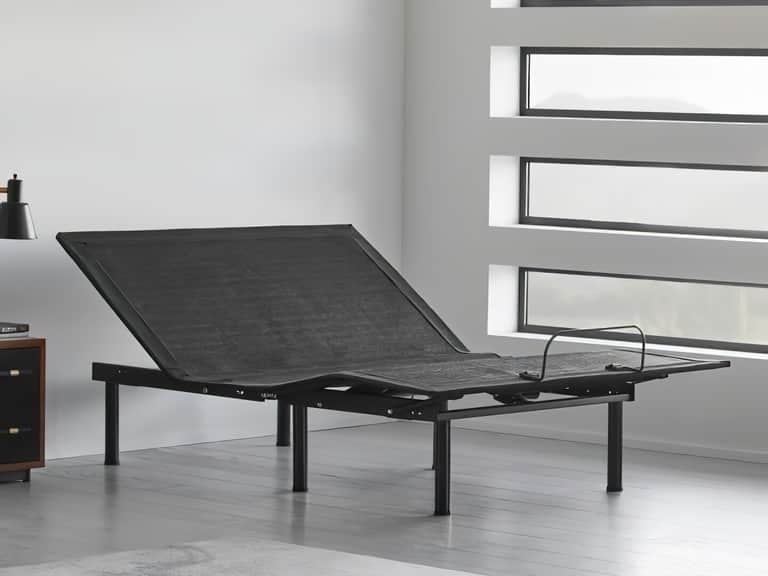
Key features include independent head lift, independent foot lift, head tilt, dual massage, underbed LED lighting, dual USB ports, and a wireless remote with presets. Its three-in-one stacking leg system provides seven height options, ensuring a precise fit for diverse spaces. The product embodies a refined blend of comfort, technology, and sustainability—designed to be compatible with platform or pedestal frames and built to endure nightly use.
Malouf E255 Adjustable Bed Base
Model: Malouf E255
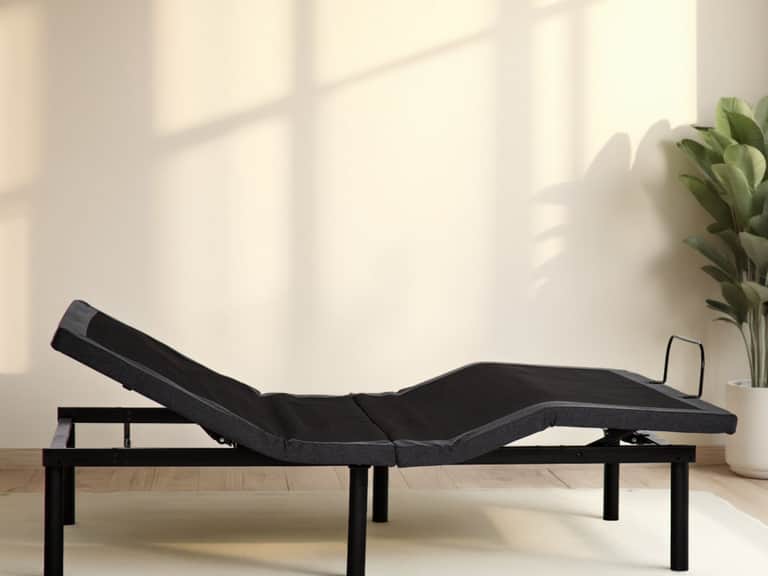
A compact, foldable design with independent head and foot control, anti-snore preset, zero gravity, and a 10-year warranty. It’s offered in an understated two-tone finish, suitable for various decors, and designed for easy shipping and setup.
Other noteworthy options in this eco-conscious segment include Malouf S655 and Malouf S555 families, which pair advanced massage, multiple preset positions, and head/foot control with durable, repair-friendly construction. The Naturepedic Conductor Adjustable Bed Frame, with its organic upholstery and oak legs, adds an all-natural counterpoint to the more tech-forward designs, reminding buyers that sustainability can also be rooted in traditional materials.
6. How to Compare Options Quickly
If you’re shopping with eco-conscious goals in mind, here is a quick-compare framework to help you decide within minutes:
- Material integrity: prioritize organic fabrics, FSC-certified wood, natural latex, and low-VOC finishes.
- Certifications: look for third-party verification and documented supply chains.
- Energy profile: check motor efficiency, energy-saving modes, and whether the remote uses low-power standby settings.
- Durability: examine weight capacities, warranty length, and the ease of part replacement.
- Ease of integration: confirm compatibility with your current bed frame or purchase a complete eco-system that minimizes waste.
In practice, reading product sheets and customer reviews helps translate labels into real-world comfort. Look for user testimonials that mention sleep quality, noise levels, and long-term performance—these insights often reveal a bed’s true environmental and ergonomic value.
7. Influential Voices Across Time
To frame the conversation across eras, consider the perspectives of three key figures who illuminate our relationship with rest, materials, and design:
- Florence Nightingale (19th century): A pioneer in hospital design, Nightingale championed systems thinking about health environments. Her insistence on clean air, proper lighting, and infection control translates today into low-VOC finishes, breathable textiles, and thoughtful, distraction-free bedroom layouts that support peaceful sleep.
- Frank Lloyd Wright (early to mid-20th century): A legend of organic architecture, Wright demonstrated how form and function can coexist with nature. His designs remind us that furniture and frames should integrate with surroundings, using natural materials and ergonomic proportions—principles that underpin sustainable bed design today.
- Naomi Klein (late 20th to 21st century): A contemporary voice on sustainability and social justice, Klein’s work pushes consumers to scrutinize supply chains and corporate responsibility. Her perspective encourages buyers to demand transparency, ethical sourcing, and durable products that reduce waste, aligning with the eco-conscious bed choices discussed here.
These figures illustrate a continuum—from health-focused design to architectural integrity and principled consumer advocacy. When selecting an eco-friendly adjustable bed, you engage in a tradition of care that spans disciplines and generations.
8. The Human Dimension: Sleep Health and Lifestyle
Choosing an eco-friendly adjustable bed is not only about materials; it’s about optimizing sleep health. An adjustable bed can help mitigate reflux symptoms, reduce snoring, and support healthier spinal alignment when used correctly. Ensuring the mattress, pillows, and bedding materials are also organic and breathable enhances the bed’s health benefits. A harmonious sleep ecosystem supports a morning that begins with vitality rather than stiffness, confusion, or fatigue.
In our daily lives, sustainability and health intersect in countless ways. By investing in a durable, eco-friendly bed base, you’re taking a concrete step toward a healthier environment and a healthier you. The product you choose, whether it’s The Clean Bedroom Level 3, Malouf E255, or Naturepedic Conductor, becomes part of a broader commitment to conscious living.
9. Quick-start Guide for Your Eco-Friendly Sleep Upgrade
- Identify priorities: certified materials, noise level, and ease of use.
- Check compatibility with your bed frame and existing accessories.
- Review certifications and supply chain disclosures.
- Evaluate features that improve sleep health: zero gravity, anti-snore settings, and adjustable lumbar support.
- Consider long-term costs: warranty duration and potential repair options.
Starting with a flagship model like The Clean Bedroom Level 3 provides a benchmark for luxury, durability, and sustainability. From there, you can explore other reputable options that align with your budget and environmental values.
10. Conclusion
Eco-friendly adjustable beds represent a practical fusion of health, design, and environmental stewardship. They remind us that a good night’s sleep can be a powerful act of care—for ourselves and the world we inhabit. Looking ahead, the market is likely to expand with even more innovations: materials with lower carbon footprints, smarter yet more energy-efficient motors, and greater transparency in certifications and lifecycle impacts. As you embark on your purchase, let sustainability be the compass that points toward comfort, reliability, and a healthier planet.
In a time when our homes increasingly reflect our values, a thoughtfully chosen adjustable bed isn’t merely furniture. It’s a statement about the kind of life we want to lead—one that respects the air we breathe, the forests we rely on, and the bodies we inhabit each night.
Product Spotlight
The Clean Bedroom Level 3 Adjustable Bed Base
The Clean Bedroom • Model 1222
Independent head and foot lifts, head tilt, and dual massage deliver customizable comfort. Underbed LED lighting and dual USB ports add practical sophistication, while 3-in-1 stacking legs offer seven height options. The wireless remote with presets makes finding your ideal position effortless. Weight ranges and compatibility with platform or pedestal frames ensure versatility in a variety of rooms.
Malouf E255 Adjustable Bed Base
Malouf • Model 253
Independent head and foot recline, anti-snore preset, zero gravity, and a sturdy build with a 10-year warranty. Foldable for easy shipping, two-tone finish complements modern interiors, and it’s designed for reliable daily use.
Malouf S655 Smart Adjustable Bed Base
Malouf • Model 262
Nine massage options, head tilt for neck support, and ReachAssist technology to keep you close to your nightstand. A 20-year warranty and smart features elevate daily use, with Bluetooth and app connectivity for modern living.
Naturepedic Conductor Adjustable Bed Frame
Naturepedic • Model 38
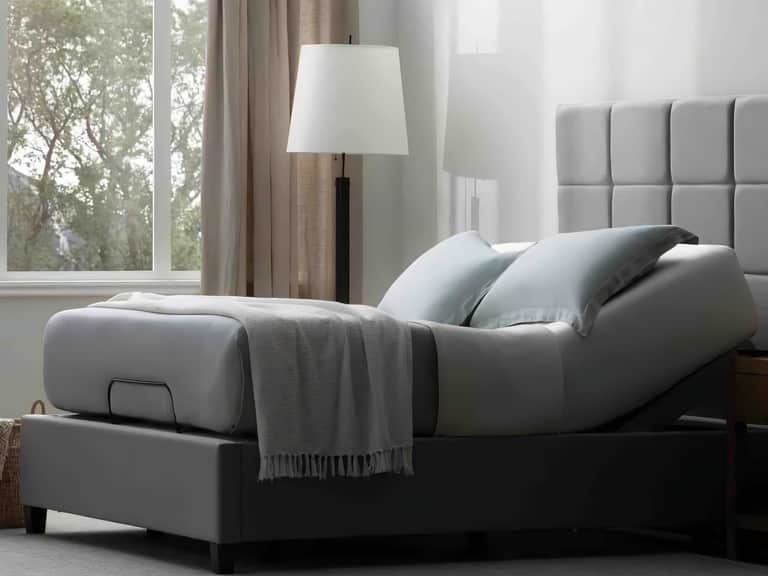
Organic cotton upholstery, solid oak legs, zero-gravity and Bluetooth/app connectivity. A robust weight capacity and a focus on natural materials position this bed as a premier eco-conscious option for sleep health and environmental responsibility.
Images are displayed for chosen products as part of this article. Availability and pricing are subject to change by manufacturers.